
Composting Machine Manufacturers in Kolkata: Complete Buyer’s Guide for Organic Waste Management
Composting Machine Manufacturers in Kolkata
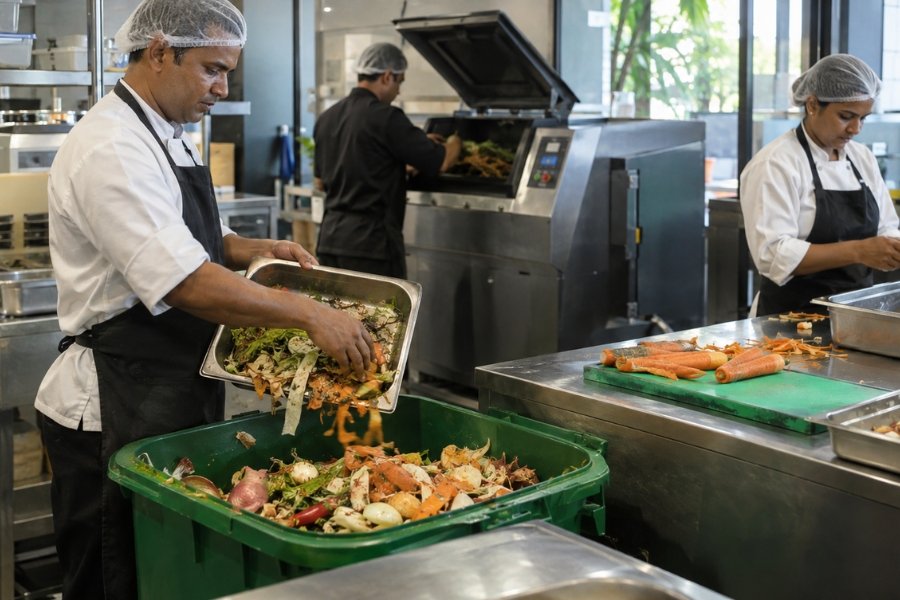
Managing food and organic waste is becoming a practical priority for residential complexes, hotels, restaurants, hospitals, educational institutions, corporate campuses, markets and commercial facilities across Kolkata. Instead of allowing biodegradable waste to become part of the general waste stream, many organisations are now exploring ways to process it closer to where it is generated.
That is why searches for Composting Machine Manufacturers in Kolkata are increasing among businesses and institutions that want a cleaner, more organised and efficient approach to organic waste management.
But buying a composting machine is not simply about choosing the biggest machine or the cheapest quotation. The right solution depends on how much wet waste you generate, what type of waste it contains, how much installation space is available, how the machine operates, manpower requirements, power consumption, odour control, maintenance and what happens to the material after processing.
This guide explains the important points you should understand before contacting a composting machine manufacturer in Kolkata, so you can compare solutions properly and choose equipment suited to your actual waste-management needs.
Why Organic Waste Management Matters in Kolkata
Kolkata is home to a dense mix of residential communities, hotels, restaurants, hospitals, offices, markets, schools, colleges, shopping facilities and other establishments that generate biodegradable waste every day.
Kitchen scraps, cooked food, vegetable trimmings, fruit peels, flowers, garden material and similar organic waste can create odour, attract insects and increase waste-handling difficulties when mixed with plastics, paper and other dry waste.
Source segregation changes this process significantly.
When wet waste is separated correctly, it can be directed towards appropriate biological processing methods such as composting instead of being mixed unnecessarily with the rest of the municipal waste stream.
This approach is particularly relevant under India’s current Solid Waste Management Rules, 2026, which came into effect on 1 April 2026. The rules require segregation into wet waste, dry waste, sanitary waste and special-care waste. They also establish responsibilities for qualifying Bulk Waste Generators and provide for decentralised processing of wet waste.
Kolkata already has a history of compost-based municipal waste processing. Kolkata Municipal Corporation documentation describes composting operations at the Dhapa disposal site, demonstrating that composting has long formed part of the city’s wider waste-processing approach.
For individual businesses, institutions and residential properties, smaller on-site or decentralised composting systems can offer a practical way to manage segregated biodegradable waste at the point of generation.
What Is a Composting Machine?
A composting machine is equipment designed to assist in the controlled processing of biodegradable organic waste.
Depending on the technology, a machine may perform operations such as shredding, mixing, aeration, moisture management, heating, microbial processing or partial drying. Different technologies have very different operating methods, which is why buyers should avoid assuming that every machine marketed as an “organic waste composter” works in exactly the same way.
Common feed materials may include vegetable waste, fruit waste, leftover food, kitchen preparation waste, tea and coffee waste, flowers and certain horticultural materials.
The objective is generally to create conditions in which biodegradable material can be processed more efficiently and hygienically than unmanaged decomposition.
However, there is an important point buyers should understand.
A machine that reduces organic waste volume very quickly does not automatically produce fully matured compost immediately. Depending on the technology being offered, processed material may need an additional curing or maturation period before it becomes stable compost suitable for intended applications.
When comparing organic waste composting machine manufacturers in Kolkata, always ask the supplier to clearly explain whether the output is finished compost, partially processed organic material, dehydrated waste or material requiring secondary curing.
That one question can prevent considerable confusion later.
How Does an Organic Waste Composting Machine Work?
The exact process differs between manufacturers and technologies, but most systems begin with proper waste segregation.
Non-compostable materials such as plastic packaging, metal, glass and other contaminants should be removed before organic material enters the system.
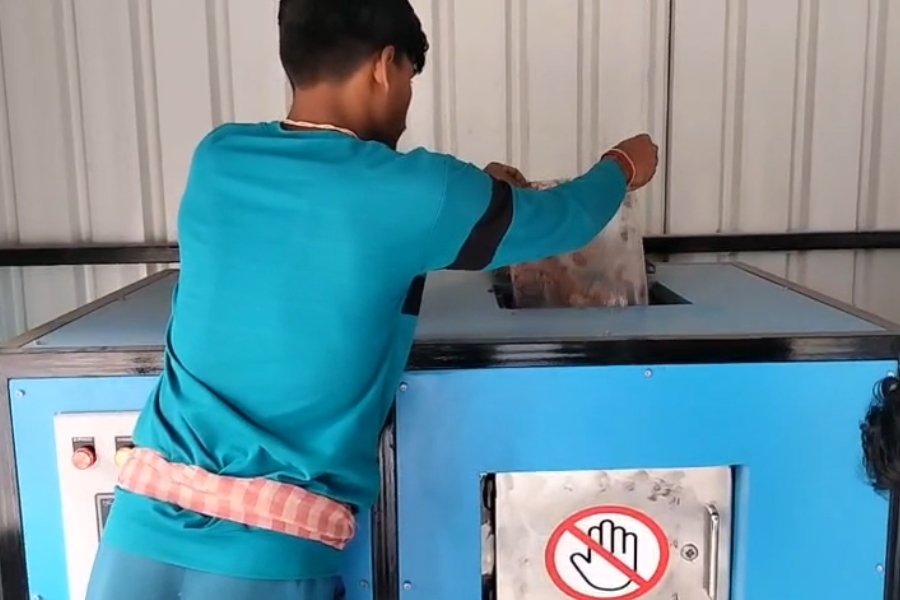
Depending on the equipment, larger pieces of food or garden waste may then be shredded to increase the available surface area. The material enters a processing chamber where mixing, aeration and moisture management help create conditions suitable for biological decomposition.
Some automatic composting machines use controlled heating and mechanical agitation. Others rely more heavily on microorganisms, bulking material and natural aerobic decomposition.
The final output and processing time depend on the system.
Therefore, when speaking with an automatic composting machine manufacturer in Kolkata, do not make your decision based only on a headline processing time. Ask what physically and biologically happens during those hours and whether any post-processing or curing is necessary.
Types of Composting Machines Available in Kolkata
Different facilities need different approaches. A small café generating kitchen preparation waste has completely different requirements from a hotel, apartment complex, wholesale food facility or institutional campus.
| Composting Solution | Typical Use | Important Consideration |
|---|---|---|
| Small Organic Waste Composter | Cafés, small kitchens, offices | Compact installation and simple daily operation |
| Food Waste Composting Machine | Restaurants, hotels, canteens | Designed around regular food-waste generation |
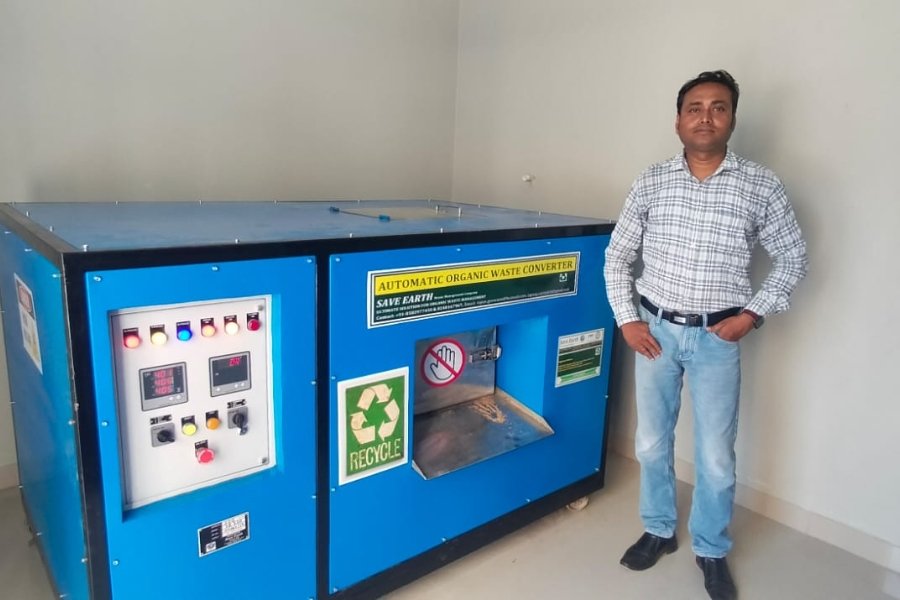
| Automatic Composting Machine | Commercial and institutional sites | Automation can reduce manual intervention |
| In-Vessel Composting System | Larger controlled applications | Enclosed processing helps control operating conditions |
| Organic Waste Converter | Housing, hospitality and commercial properties | Verify process and final output carefully |
| Industrial Composting Machine | Large campuses, markets and high-volume facilities | Capacity, uptime and service support become critical |
| Garden Waste Composting System | Parks, campuses and landscaped properties | Shredding and carbon-rich material handling may be required |
The best choice should be based on actual waste characteristics rather than the machine name alone.
Who Should Consider a Composting Machine in Kolkata?
A wide range of organisations may benefit from processing biodegradable waste at or close to the source.
Residential societies and apartment complexes can use composting systems for segregated kitchen waste and, depending on the system, selected garden material. The compost produced may potentially be reused in landscaped areas after appropriate processing and maturation.
Hotels and restaurants generate highly concentrated food waste, making them strong candidates for commercial food waste composting machines in Kolkata.
Corporate campuses, IT parks and office complexes with cafeterias may also produce substantial quantities of organic waste every working day.
Hospitals and healthcare facilities can have food and kitchen waste from cafeterias and food-service operations, although biomedical waste must remain separately managed under the applicable biomedical waste framework and must never simply be mixed into an organic composting system.
Schools, colleges, universities and hostels may generate regular food waste from canteens and kitchens.
Markets, banquet venues, large community facilities and institutional kitchens can also produce significant biodegradable waste volumes.
The 2026 Solid Waste Management Rules define Bulk Waste Generators using criteria that include premises of 20,000 square metres or more, water consumption of 40,000 litres per day or more, or solid-waste generation of 100 kg per day or more for specified categories. The rules require BWGs to make arrangements for appropriate waste management, including decentralised processing of wet waste, subject to the provisions of the rules.
This makes understanding on-site organic waste processing increasingly important for larger establishments.
Choosing the Correct Composting Machine Capacity
Capacity is one of the most important factors when selecting an organic waste composting machine in Kolkata.
Machines are often described in kilograms per day, such as 25 kg/day, 50 kg/day, 100 kg/day, 250 kg/day, 500 kg/day or larger capacities.
Do not choose capacity simply by estimating the size of your property.
Measure your actual biodegradable waste.
For at least several representative operating days, weigh the segregated organic waste generated by your facility. Restaurants should consider busy weekends and event days. Residential complexes should account for seasonal fluctuations. Hotels should consider occupancy levels, functions and banquet activity.
A machine operating permanently at or beyond its designed loading level may experience performance and maintenance problems.
At the same time, purchasing a significantly oversized machine may unnecessarily increase capital cost, energy consumption and installation requirements.
A reliable compost machine manufacturer in Kolkata should ask about your actual waste generation before recommending a capacity.
If a supplier recommends equipment without asking how much waste you generate, what kind of waste it is or how your site operates, request a more detailed technical assessment.
What Waste Can Go Into a Composting Machine?
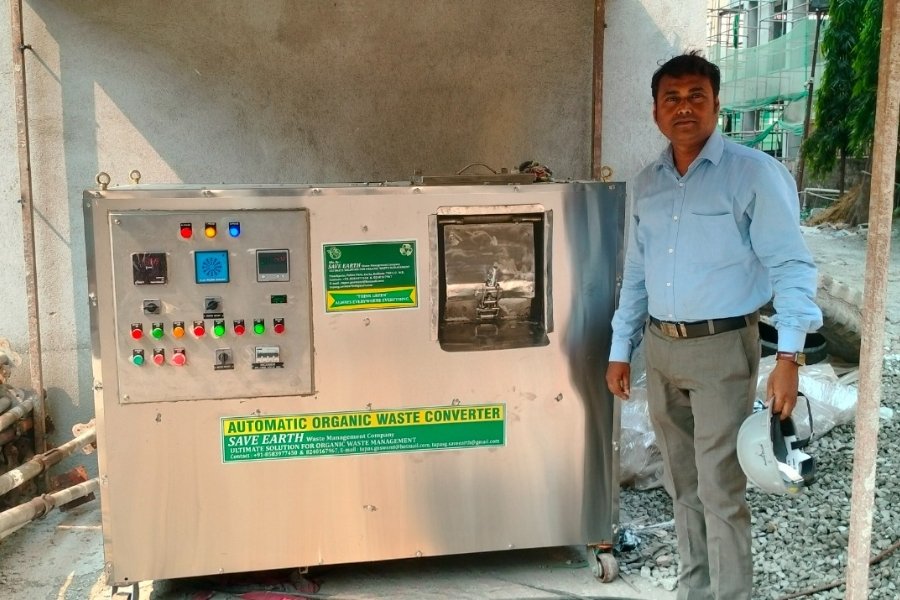
This depends on the equipment, but typical biodegradable feedstock can include fruit and vegetable scraps, food preparation waste, selected cooked-food waste, tea leaves, coffee grounds, flowers and other compostable organic material.
Certain machines can also process selected garden and horticultural waste after shredding.
Contamination is one of the biggest problems in composting.
Plastic spoons, packaging films, aluminium foil, glass fragments, metal cutlery and similar items should not enter a normal organic waste composting process.
Good segregation at source often matters as much as machine performance.
Even the most sophisticated wet waste composting machine cannot compensate effectively for consistently contaminated input material.
For this reason, organisations installing composting systems should also train kitchen staff, housekeeping teams, residents or waste-handling personnel on correct segregation.
Automatic Composting Machine vs Conventional Composting
Traditional composting can be highly effective, but it generally requires space, proper pile management, aeration, moisture control and time.
An automatic or semi-automatic composting machine aims to make parts of the process more controlled and manageable.
For urban properties where space is valuable, enclosed processing may be attractive. Automation can also make routine operations more consistent.
However, “automatic” does not mean “zero responsibility.”
Machines still require correct loading, appropriate segregation, routine cleaning and preventive maintenance. Some technologies require additives, bulking material or microbial culture. Others require periodic replacement of components.
Before purchasing an automatic composting machine in Kolkata, understand exactly which tasks still need to be completed manually.
Composting Machine Price in Kolkata
People frequently search for composting machine price in Kolkata, but there is no single meaningful price for every application.
Capacity naturally affects cost, but it is only one factor.
The machine’s processing technology, automation level, construction material, shredding arrangement, heating system, motors, control panel, odour-management features, sensors and additional accessories can all influence the quotation.
Installation conditions matter as well.
A machine installed on an easily accessible ground floor may require a different scope of work from equipment that has to be moved into a basement, rooftop utility area or restricted service zone.
Electrical work, drainage arrangements, ventilation, civil preparation and material-handling accessories may also affect the total project cost.
After-sales service should also be considered.
A quotation that looks inexpensive initially may not remain economical if spare parts are difficult to obtain or technical service is unavailable when the machine stops operating.
Instead of asking only, “What is the composting machine price?”, ask for the total cost of ownership.
That provides a much better basis for comparison.
Important Questions to Ask Composting Machine Manufacturers in Kolkata
When comparing suppliers, gather the same information from each company so that quotations can be evaluated fairly.
Ask about rated daily capacity, recommended operating load, suitable waste types, processing technology, average cycle, electrical requirement, connected load, water requirement, manpower requirement, installation area, noise, odour control, consumables, maintenance intervals, warranty, service response, spare-parts availability and operator training.
Most importantly, ask about the final output.
Find out whether material coming out of the machine is ready-to-use mature compost or requires additional curing.
Also ask the manufacturer to explain expected mass or volume reduction realistically.
Avoid making purchasing decisions based solely on marketing statements such as “100% waste converted in 24 hours” without understanding what the claim actually means.
A responsible food waste composting machine manufacturer in Kolkata should be able to explain the biological and mechanical process clearly.
Why Local After-Sales Support Matters
Composting machines work with moist, variable and sometimes corrosive organic material. Motors, gearboxes, heaters, sensors, shredders, bearings and control components may require inspection or servicing during the life of the equipment.
That makes technical support an important purchasing consideration.
Working with established composting equipment manufacturers in Kolkata or suppliers with dependable service coverage in West Bengal can make routine support easier.
This becomes especially important for hotels, institutional kitchens, housing complexes and commercial facilities where wet waste is generated every day.
If a machine is unavailable for several days and the site has no alternative organic-waste management arrangement, waste can accumulate quickly.
Ask prospective suppliers about preventive maintenance plans before installation rather than waiting until a breakdown occurs.
Composting Machines for Housing Societies and Apartments
Apartment complexes are among the most practical locations for decentralised composting because kitchen waste is generated continuously and landscaped areas may provide opportunities for appropriate compost utilisation.
The first requirement is effective segregation by residents.
Collected wet waste can then be inspected for contamination before being processed.
An appropriately sized composting machine for housing societies in Kolkata should be selected according to measured daily organic-waste generation rather than simply the number of apartments.
A 200-flat development where residents generate and segregate substantial kitchen waste may have different needs from another development of similar size.
Space and workflow should also be planned carefully.
Residents should not have to pass through an unpleasant waste-handling zone, while operating staff need sufficient room to load, clean and maintain the equipment safely.
Composting Machines for Hotels and Restaurants
Commercial kitchens typically generate vegetable trimmings, leftover food and food-preparation waste in relatively concentrated quantities.
This can make hotels, restaurants, cloud kitchens and institutional canteens suitable candidates for food-waste composting solutions.
For hospitality businesses, hygiene and odour management are particularly important.
The waste-processing area should fit logically into the back-of-house workflow and remain separate from food preparation.
Before selecting a food waste composting machine in Kolkata, determine peak daily waste generation rather than relying only on average numbers.
Banquets, weekends and seasonal demand can significantly increase food waste.
Composting Machines for Commercial and Institutional Facilities
Large office complexes, educational campuses, hostels, malls, clubs and institutional facilities may operate several kitchens or cafeterias.
In these locations, waste collection logistics are as important as the machine itself.
A central composting unit may work well where wet waste can be transported internally without contamination. Larger sites may instead benefit from decentralised processing closer to individual generation points.
The right approach should be determined through a waste audit and site assessment.
This is why experienced commercial composting machine manufacturers in Kolkata generally need more information than simply the required kilograms-per-day rating.
Environmental and Operational Benefits of On-Site Composting
Proper organic waste processing can reduce the quantity of wet biodegradable material that needs to leave a property as mixed waste.
It can also encourage better segregation practices throughout an organisation.
When appropriate compost is produced and properly matured, it may be used for landscaping or other suitable applications, depending on quality and relevant requirements.
Decentralised processing also follows the wider principle of managing biodegradable waste closer to its source. Current Indian waste-management policy explicitly encourages decentralised management of wet waste, particularly for qualifying Bulk Waste Generators.
The real value, however, comes from a complete system: segregation, collection, processing, maintenance, output management and staff training must all work together.
A machine alone does not create good waste management.
Common Mistakes When Buying an Organic Waste Composter
One common mistake is buying solely on price.
Another is selecting a machine before conducting a waste audit.
Some buyers underestimate how important source segregation is. Others fail to plan for curing and storage of the processed material.
Insufficient ventilation, poor drainage or inadequate working space can also create operational problems.
Another frequent issue is assuming that capacity printed in a brochure automatically represents comfortable day-to-day operating capacity for every type of waste.
Different food wastes contain different levels of moisture, oil and fibrous material. Ask manufacturers how the proposed machine has been sized for your particular waste profile.
The most suitable organic waste converter manufacturer in Kolkata should help you understand these practical issues rather than simply delivering equipment.
How to Compare Composting Machine Suppliers
Create the same technical requirement before collecting quotations.
For example, specify your measured daily organic-waste quantity, expected peak quantity, waste composition, available installation area, electrical supply, operating hours and intended use of processed output.
Then compare machines on equivalent criteria.
Look beyond purchase price and evaluate operating cost, expected maintenance, warranty coverage, service support, consumables and expected equipment life.
If possible, request an operating-site reference for a machine of similar capacity.
Seeing equipment processing real food waste can tell you far more than viewing a machine in a showroom.
Local Search: Finding a Composting Machine Manufacturer Near You
Businesses searching online often use phrases such as composting machine manufacturers Kolkata, composting machine suppliers in Kolkata, organic waste composter Kolkata, automatic composting machine Kolkata, food waste composter in Kolkata, industrial composting machine manufacturers in Kolkata, wet waste composting machine Kolkata or compost machine dealer in Kolkata.
Although these searches sound slightly different, the real requirement is usually the same: finding reliable equipment that matches the site’s actual volume and type of organic waste.
Whether your facility is in central Kolkata, Salt Lake, New Town, Rajarhat, Howrah or another part of the Kolkata metropolitan area, service capability should form part of your supplier assessment.
A manufacturer’s location matters less than its ability to provide proper site assessment, installation, commissioning, training and dependable support at your property.
Frequently Asked Questions About Composting Machines in Kolkata
Which is the best composting machine for food waste?
There is no single best model for every application. The right machine depends on daily waste quantity, composition, moisture, available space, manpower, processing expectations and budget. A restaurant generating 40 kg per day should not automatically use the same system as a hotel generating several hundred kilograms.
How do I select composting machine capacity?
Measure actual segregated organic waste for several representative days and determine both average and peak generation. Share these figures with the manufacturer and ask for the recommended working capacity rather than relying only on nominal capacity.
How much does a composting machine cost in Kolkata?
Composting machine prices in Kolkata vary significantly according to capacity, automation, processing technology, construction, electrical system, accessories, installation requirements and after-sales package. A site-specific quotation is more useful than a generic price.
Can a composting machine produce compost in 24 hours?
Claims should be examined carefully. Some machines can process or substantially reduce organic material within a short cycle, but depending on the technology, the output may still require curing before becoming mature compost. Ask the supplier to define exactly what comes out of the machine at the end of the stated processing period.
Can apartment complexes install organic waste composting machines?
Yes, appropriately planned systems can be used in residential societies. Capacity should be based on measured wet-waste generation, and the property should also plan segregation, operating responsibility, space, ventilation, cleaning and management of the processed material.
Are composting machines suitable for restaurants?
Yes. Restaurants and commercial kitchens can be good candidates because they generate concentrated food waste. Correct segregation and a properly sized machine are particularly important.
What maintenance does a food waste composting machine require?
Maintenance depends on the design. Routine cleaning, inspection of moving parts, electrical checks and servicing of motors, gearboxes, shredders, heaters or sensors may be required. Ask the supplier for a preventive maintenance schedule before purchase.
What is the difference between an organic waste converter and a composting machine?
Terminology varies across manufacturers. “Organic waste converter,” “food waste composter” and “composting machine” may describe different processing technologies. Instead of relying on the product name, ask how the machine treats waste, what conditions it maintains and whether its output requires secondary curing.
Choosing Composting Machine Manufacturers in Kolkata
Finding the right Composting Machine Manufacturers in Kolkata should begin with your waste, not with a machine catalogue.
Understand how much biodegradable waste your facility actually generates. Identify the composition of that waste. Check your available space, electrical supply, manpower and expected operating routine. Decide what you intend to do with the processed material.
Then ask manufacturers to design or recommend a system around those facts.
The strongest solution is not necessarily the machine with the fastest advertised processing time, the largest capacity or the lowest purchase price. It is the system that can handle your real waste stream consistently, remain manageable for your team and receive reliable technical support over the long term.
With the Solid Waste Management Rules, 2026 now emphasising source segregation and environmentally sound management of wet waste, decentralised organic-waste processing has become an increasingly relevant consideration for large residential, commercial and institutional waste generators.
If you are comparing composting machine manufacturers in Kolkata, prepare your daily waste figures, waste type, available installation space and expected operating conditions before requesting a quotation. A manufacturer with genuine technical expertise should use that information to recommend the appropriate equipment instead of simply trying to sell the largest available model.
A well-selected organic waste composting system can become more than a piece of machinery. When supported by proper segregation, trained operators and sensible maintenance, it can form an effective part of a cleaner and more organised waste-management process for your property.